
Books in this Series
Overview
The field-based psychology Series establishes the core lenses and working language that the wider library builds on.
These books are written for readers who want clearer orientation, stronger inner and relational capability, and a practical way to think about coherence across life and systems.
Each book stands alone. Together, they form a coherent base: felt coherence, systemic coherence, and applied coherence.

What you’ll find in this series
- A shared vocabulary and set of models used across the wider library
- Clear starting routes for different reader needs (embodied / systems / applied)
- Concepts presented in layers: orientation → model → practice
- A tone of discernment and agency: no doctrine, no forced conclusions
- Material designed to be revisited, not rushed
- A clear sense of progression: how the three books relate, and where to go next once you’ve found your entry point
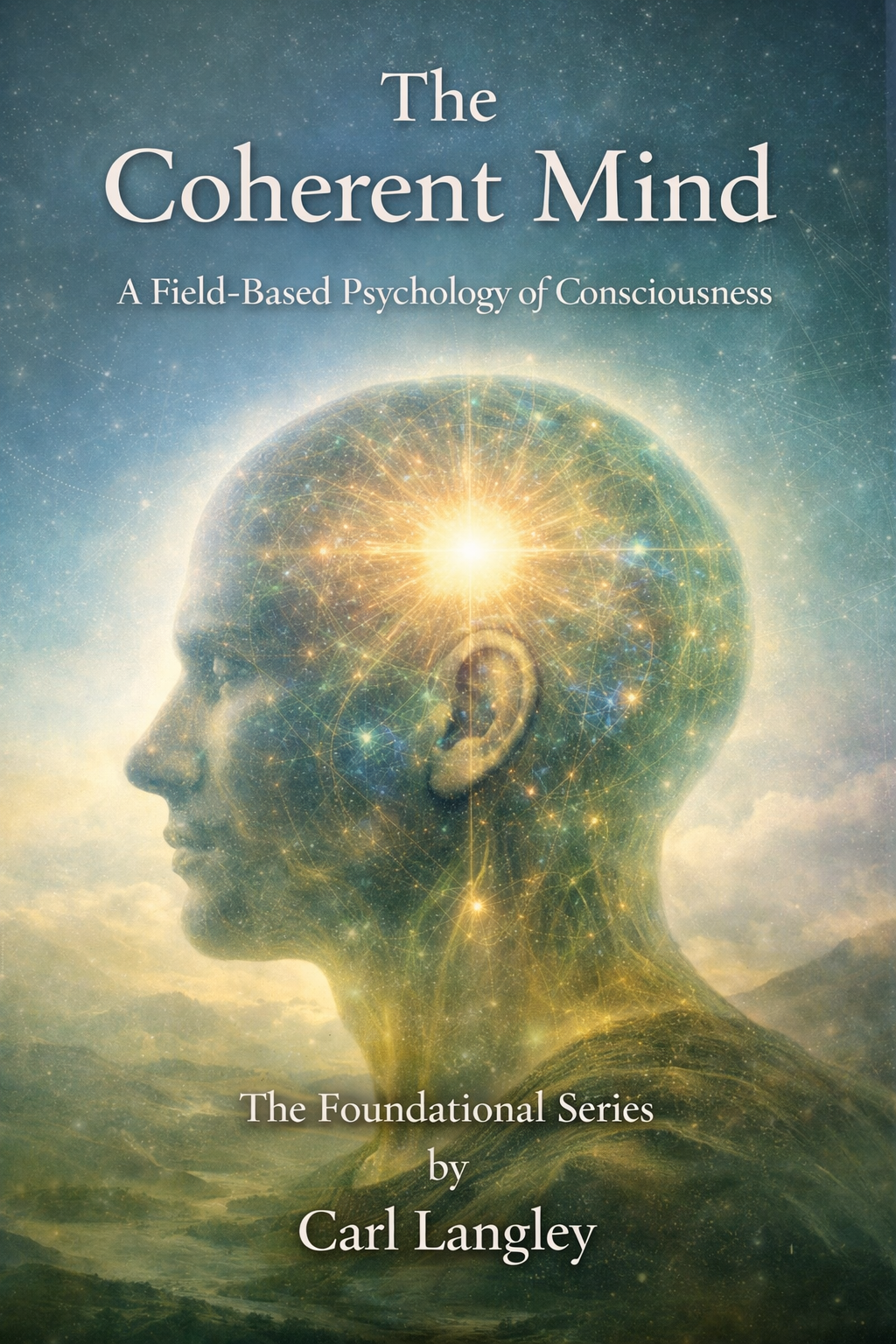
The Coherent Mind
A field-based psychology of consciousness: how coherence is sensed and stabilised through attention, embodiment, relationship, and environment.
The Coherent Mind offers a language for lived experience and a set of models you can approach practically, symbolically, or contemplatively — whichever best supports your path.
What this Book Covers
- Coherence, decoherence, and recoherence as lived rhythm
- Attention, presence, and inner signal clarity
- Embodiment and interoception (the body as interface)
- Emotional charge, memory, and pattern persistence
- Trauma as field disturbance and repair conditions
- Polarity work and integration (not suppression)
- Relational fields: resonance, boundaries, co-regulation
- Identity as pattern (selfhood as dynamic, not fixed)
- Meaning-making, perception, and interpretive loops
- Practices for stabilising coherence in daily life
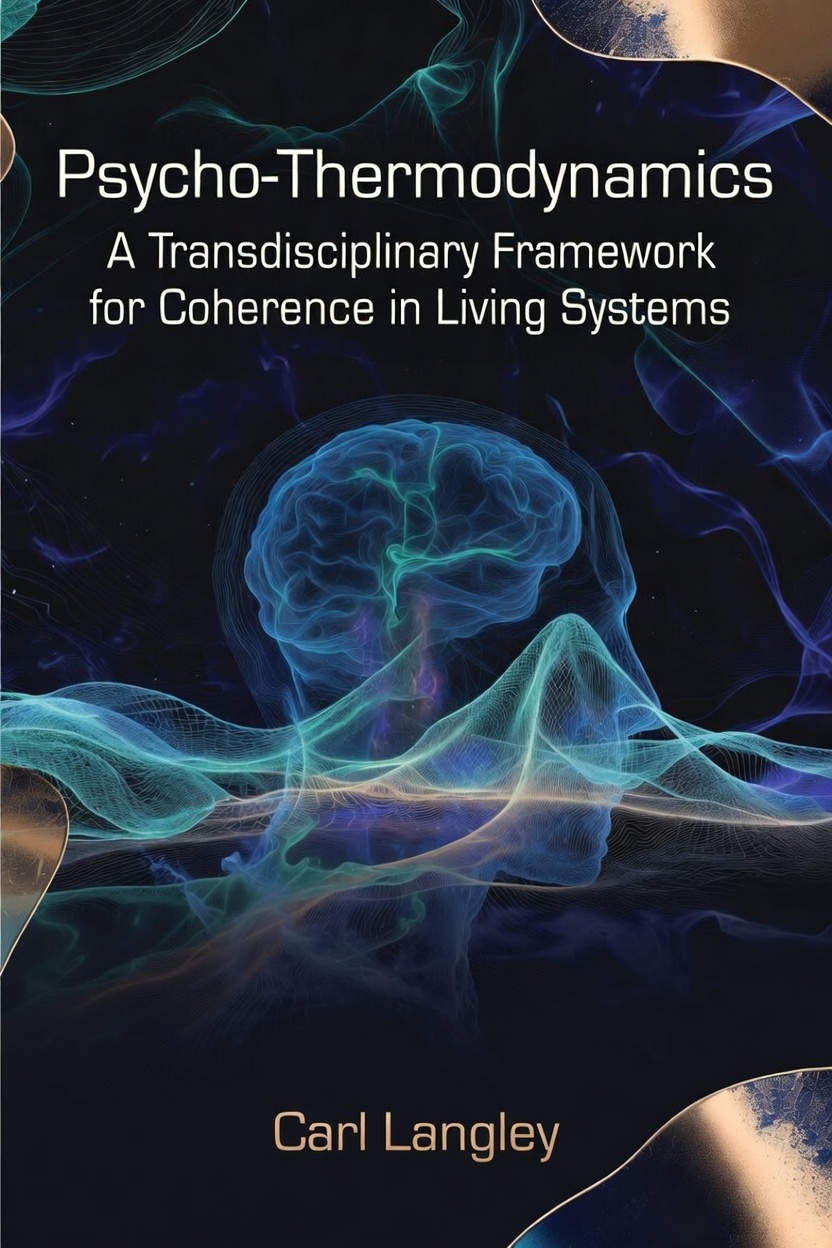
Pyscho-Thermodynamics
A field-based psychology of coherence in living systems: how mind, behaviour, relationship, and system dynamics are shaped by load, rhythm, fluctuation, and reorganisation.
Psycho-Thermodynamics develops a rigorous yet non-reductive framework for understanding how coherence is generated, lost, and restored across personal, relational, and collective life, translating complexity into usable models for regulation, repair, transition, and second-order change.
What this Book Covers
- Non-equilibrium thermodynamics in human systems: open systems, dissipation, and self-organisation
- Coherence as a living process: stabilisation, destabilisation, and reorganisation
- Standing-wave-like coherence as a candidate control parameter in human systems
- The Coherence Cycle: breakdown, threshold, and second-order change
- Entropy and negentropy across mind, body, relationship, and system
- Phase-state logic: solid, liquid, gas, and plasma-like regimes of organisation
- Field ontology and psycho-thermodynamic registers: phenomenological, physiological, relational, symbolic, and systemic
- Auditism as field-audit methodology: sense, map, reflect, intervene, integrate
- Measurement without reductionism: indicators, proxies, and multi-register assessment
- Clinical, organisational, and research applications of a field-based psychology of coherenc
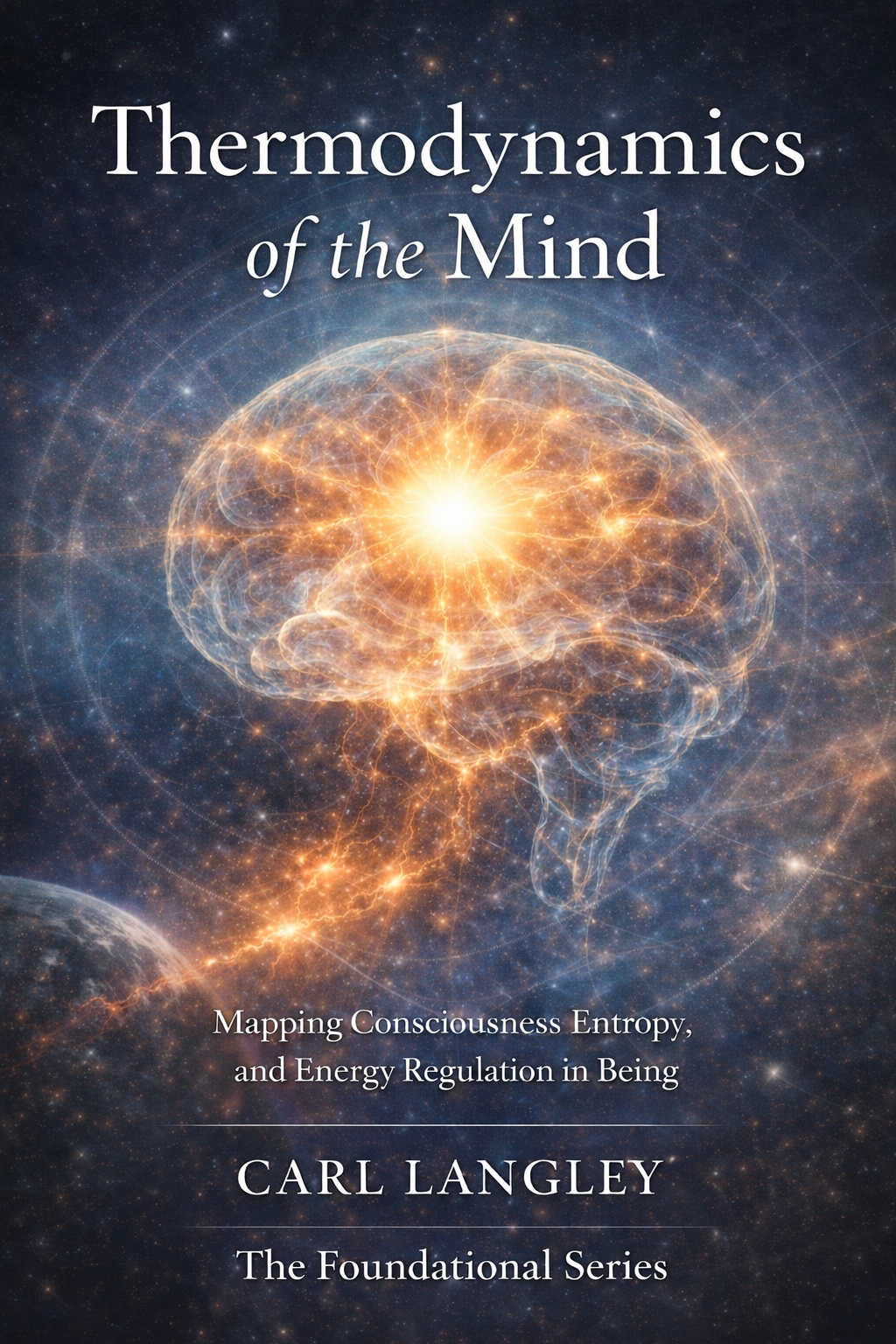
Thermodynamics of the Mind
A thermodynamic lens on mind and behaviour: how coherence is generated, lost, and restored through rhythm, load, reserves, and environment. Thermodynamics of the Mind offers models you can work with practically, structurally, or contemplatively — whichever best supports your path — and translates complexity into usable maps for capacity, stability, and change over time.
What this Book Covers
- Psycho-thermodynamics: entropy, coherence, and negentropic renewal
- Load, reserves, recovery, and sustainable capacity
- Phase-state mapping: when the same intervention helps or harms
- Signal vs noise: attention as an energy economy
- Feedback loops, attractors, and behavioural drift
- Rhythm and ritual as stabilisers (daily, weekly, seasonal)
- Environment as regulator: space, light, sound, pace, social field
- Coherence architecture and “field hygiene” (conditions that support clarity)
- Thresholds and transitions: collapse, reset, and reintegration
- Practical applications across self, relationships, groups, and systems
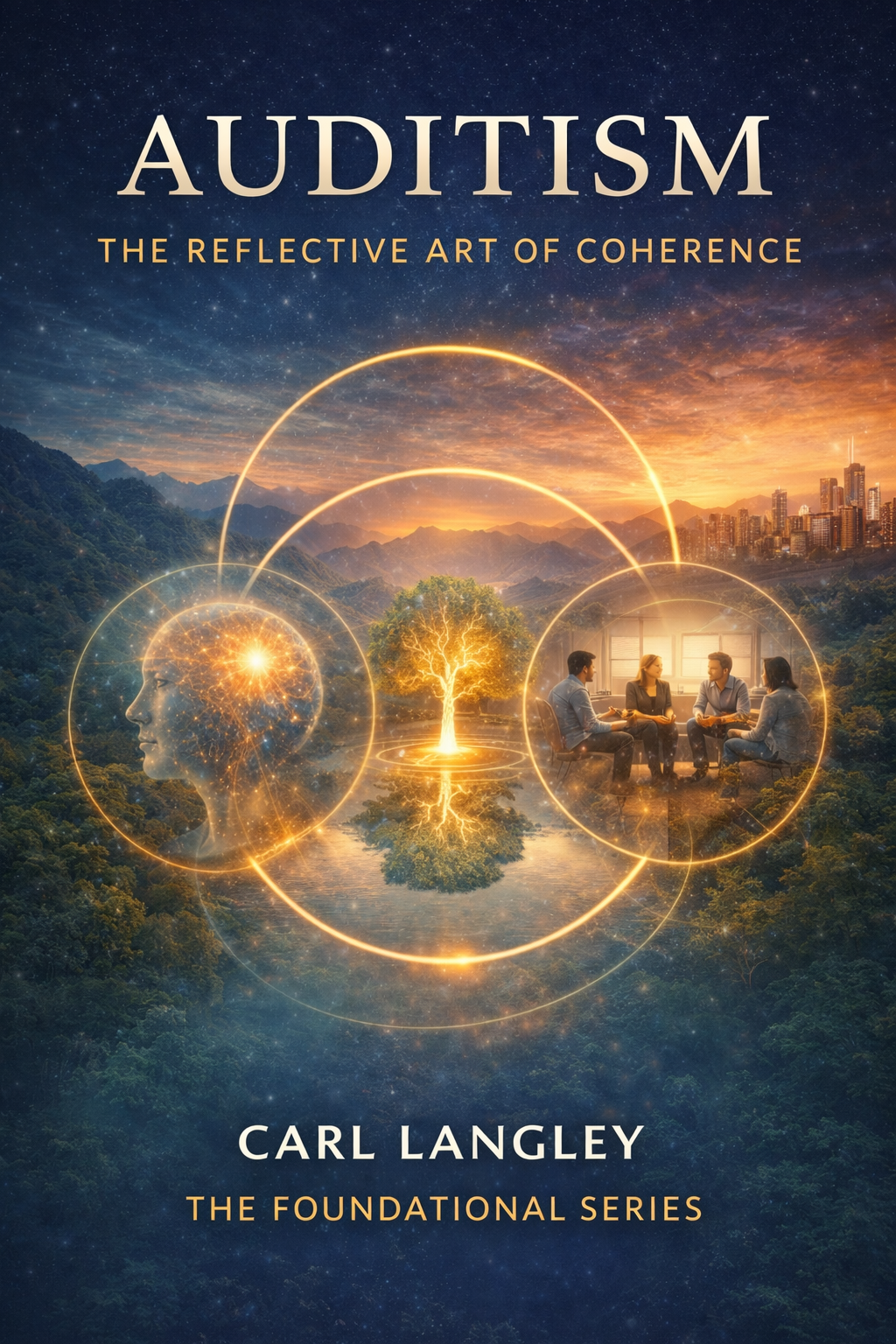
Auditism: The Reflective Art of Coherence
A reflective discipline for working with coherence across scale: how to sense a field, map patterns, and respond with ethical restraint rather than control. Auditism offers models you can approach practically, symbolically, or contemplatively — whichever best supports your path — and provides a repeatable method for clarity, accountability, and responsible action in living systems.
What this Book Covers
- Auditism as reflective art and applied discipline (not doctrine)
- Coherence, decoherence, and recoherence as a practical cycle
- The Field Audit Method: Sense → Map → Reflect → Intervene → Integrate
- Pattern recognition: incentives, loops, constraints, and power dynamics
- Ethical posture: consent, boundaries, proportionality, non-coercion
- Clean intervention: timing, restraint, and minimum effective action
- Personal clarity practices: attention, integrity, accountability
- Relational dynamics: repair, separation, and field stewardship
- Group and organisational fields: culture, governance, and coherence drift
- Society as a circuit: collective feedback, narrative, and systemic repair